The Ordeal Under Henry III, popular superstition gave rise to the legend of the ghost of Bourgon, who sometimes returns in the form of unexplained phenomena…
At that time, Bourgon Castle belonged to a powerful lord who was married to a very wealthy and beautiful woman—one who was, moreover, much younger than he was. He loved her passionately, even to the point of madness… This excess of passion gradually gave rise to a secret tendency toward jealousy. The lord of Bourgon was often away on long inspection tours of his surrounding estates. Tradition tells us that the young woman, to amuse herself, often entertained friends and her own family. The beautiful young woman was often courted, but her fidelity was unwavering. Consumed by a secret passion, the castle steward—a trusted confidant of the lord—also attempted to seduce her, but she rebuffed him several times. Offended, he spread a rumor that the Lady of Courcelles was unfaithful. An indiscreet remark first aroused the lord’s suspicions and then his pathological jealousy; he was known for his violent and irascible temper. Wanting to get to the bottom of it, he resorted to a very classic—but always effective—trick: the false departure. He therefore told his wife that he was leaving for several days to visit his distant estates. He set off in a lavish carriage, only to return shortly thereafter, surreptitiously.
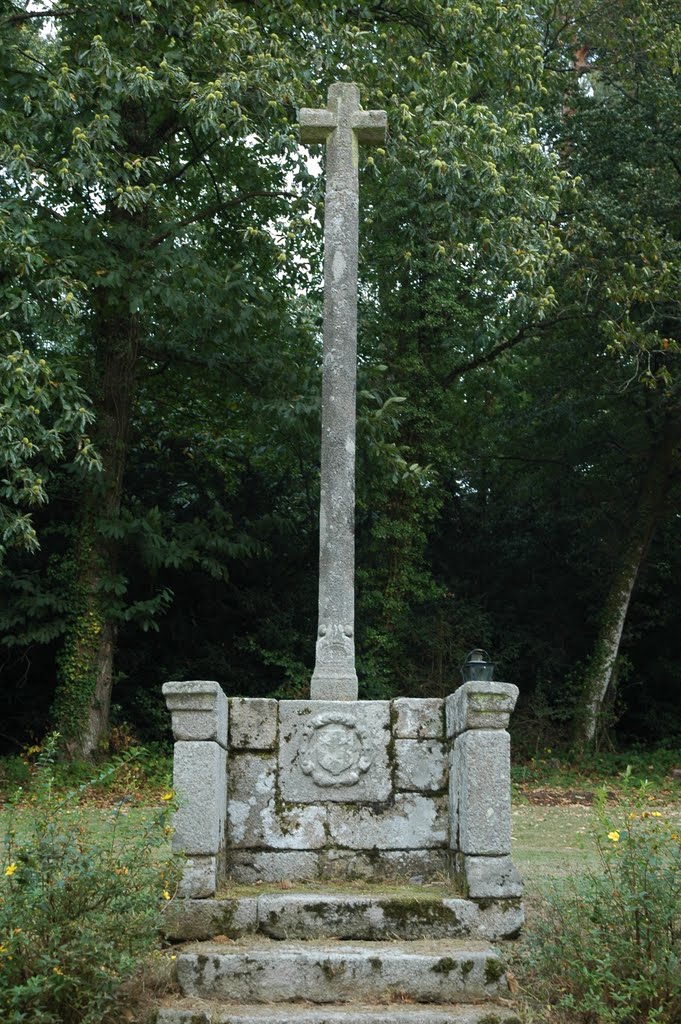
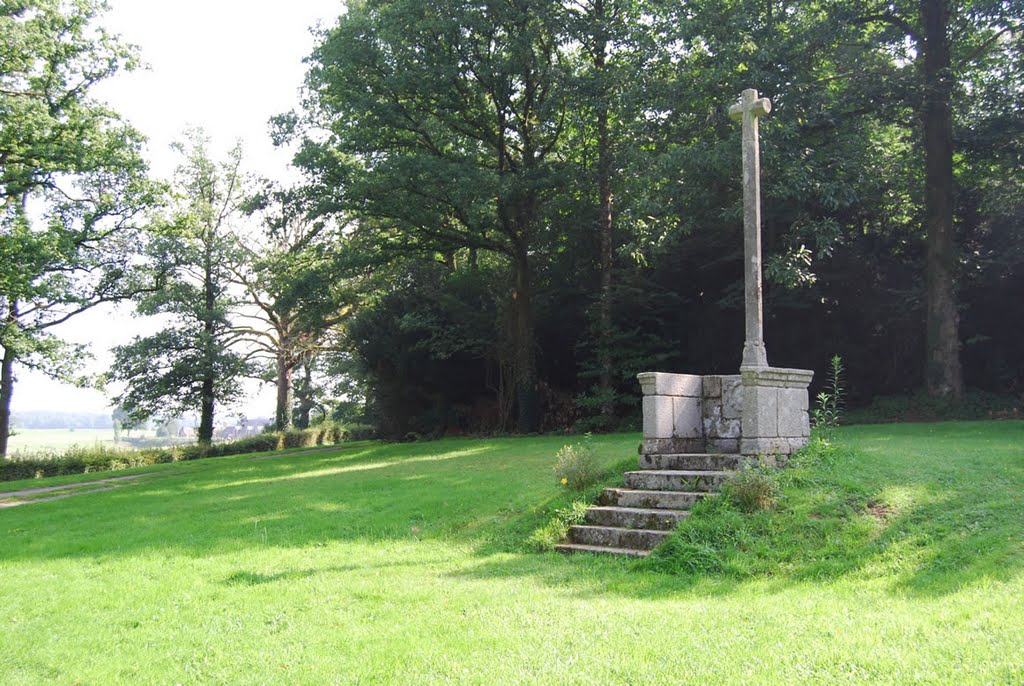
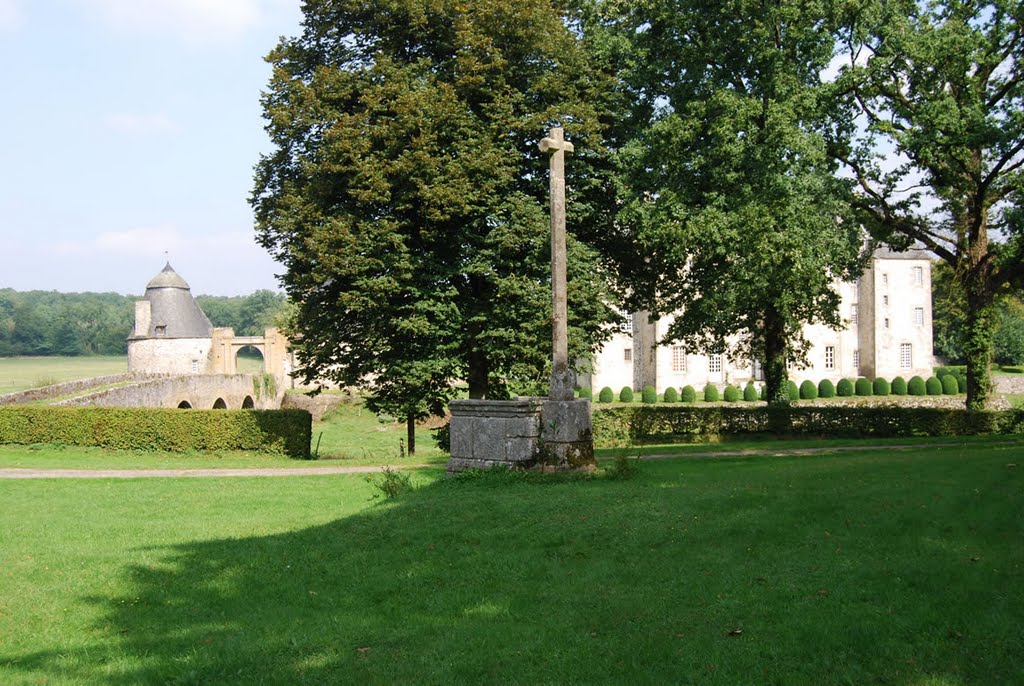
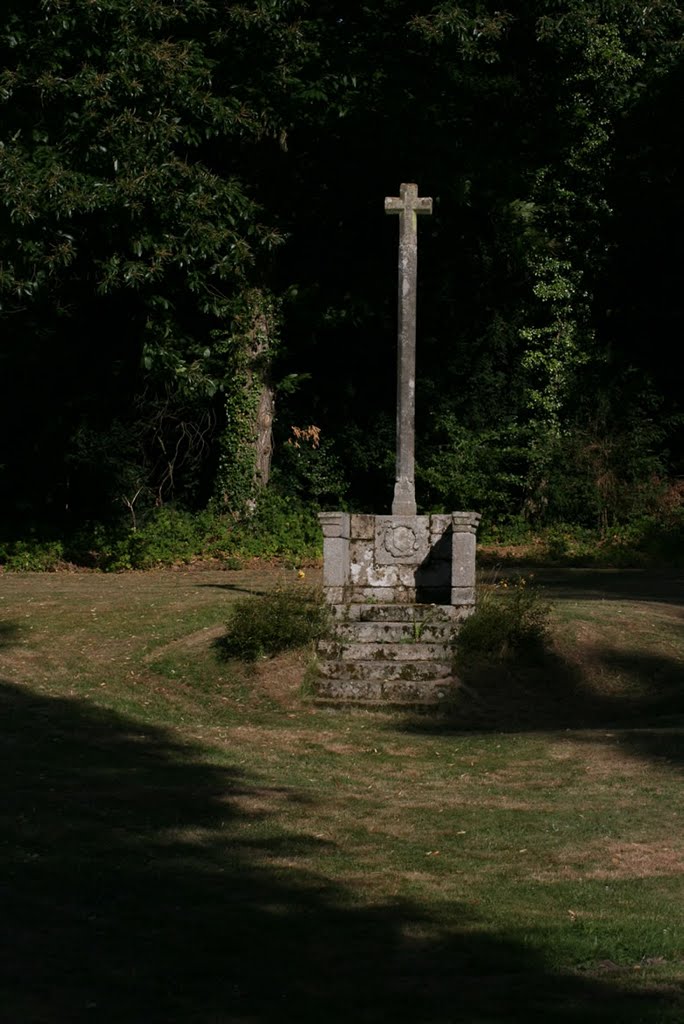
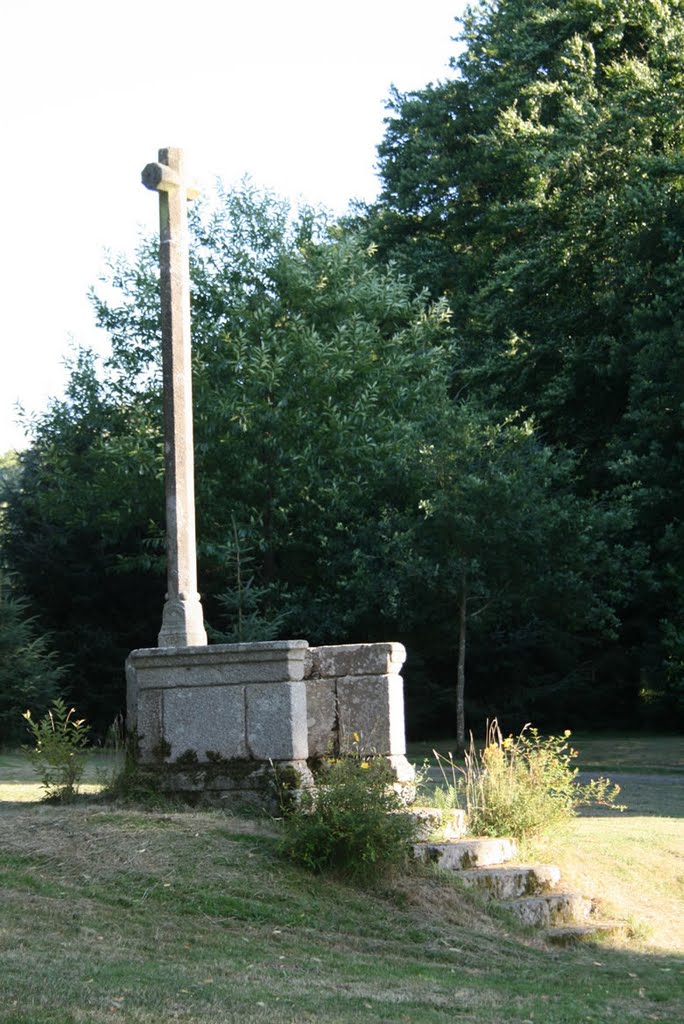
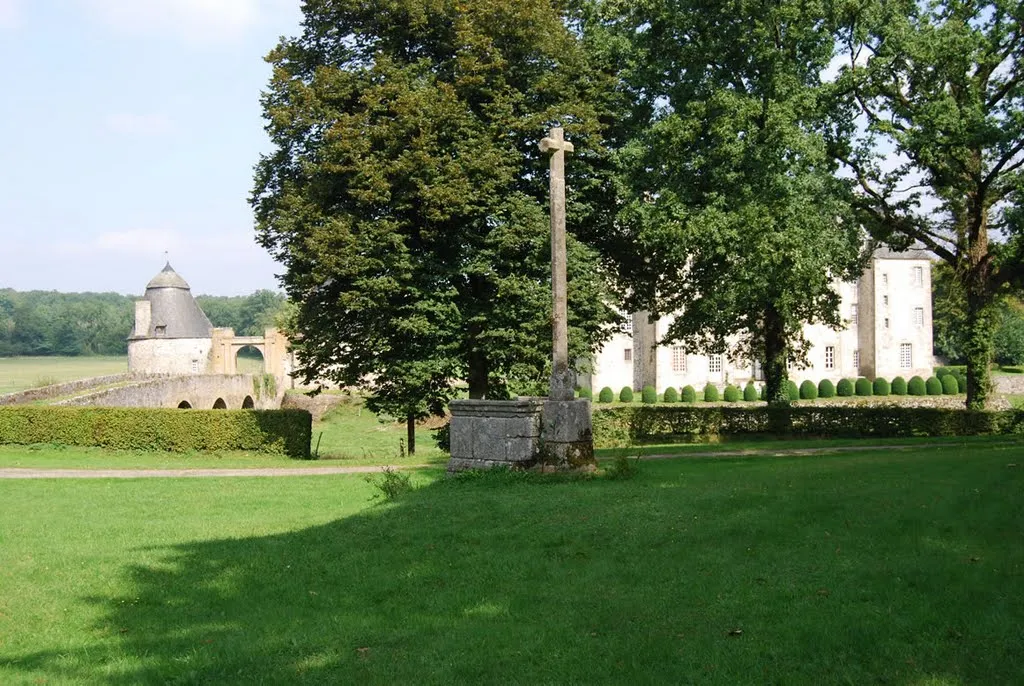
As usual, the lady of Courcelles was surrounded by friends; she was warned of the state of rage her husband was in. Everyone hurriedly left the premises, including the young neighbor Jean de Jarzé, who had come to court the lady; he managed to escape through the underground passage. Nevertheless, considering that he had caught her in the act, the husband drew his sword to force a confession from his wife. She, however, could not help but be overcome by an involuntary panic and was unable to answer the hasty questions posed to her—which, unfortunately, sealed her death sentence without further trial. She begged her husband to spare her life, but in a mad and reckless gesture, the Lord of Bourgon stabbed the young woman, splattering the small parlor with blood. The Lord of Bourgon, who had influential connections, escaped legal prosecution and was granted amnesty by King Henry III. But his conscience would not forgive him, and he deeply regretted his all-too-impulsive act! A personal investigation among the servants had very quickly exonerated his wife of any infidelity. Overcome with remorse, he had an expiatory cross erected on Saint Martin Hill, where he would go every day barefoot, cowith a noose around his neck, publicly confessing the horrific crime he had committed. Since then, the granite calvary has stood across from Bourgon. On certain evenings, the ghost of the Lady of Courcelles haunts the wayside shrine, as if seeking redress for her life cut short. She is as white as moonlight, and some residents of Montourtier claim to have seen this glow moving at the foot of the castle… Like the young Girl Scouts did one full moon night during their camp in 2007… Others say that traces of blood appear and disappear spontaneously on the walls of the room where the crime was committed…
The victim’s memory has been immortalized in this lament: (See: “La Mayenne Mystérieuse: Legends, Beliefs, and Superstitions,” by Gilbert Chaussis “Would you like to hear a new song? It’s about Madame de Courcelle, Who had a jealous husband Farewell, my cruel loves! When the news reached La Roche that Madame de Courcelle had died, They all fell backward in shock. Farewell, my cruel loves! But you, above all, my daughter Jeanne, never take a jealous husband. Farewell, my cruel loves.”